

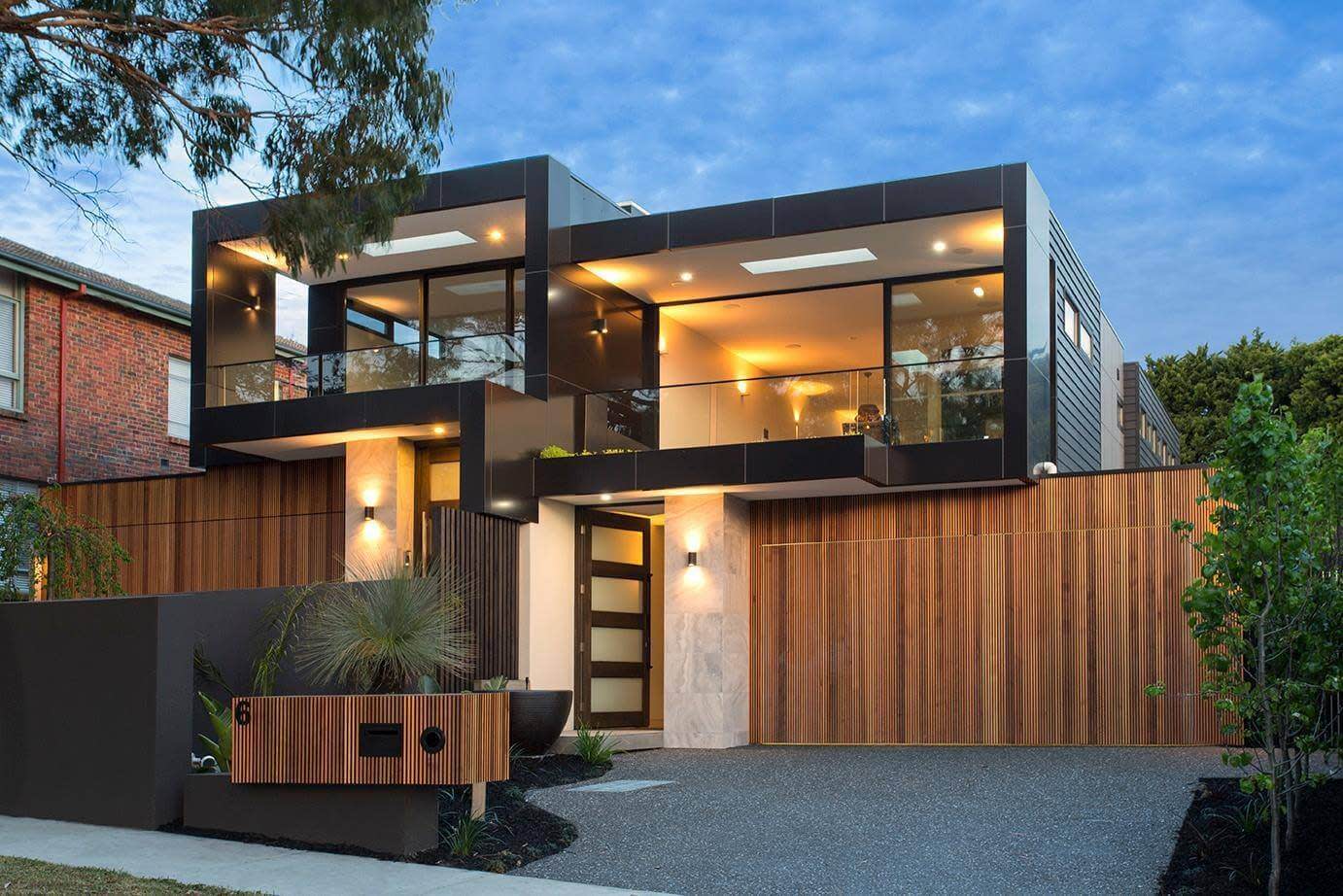
Home is more than a physical structure. It represents stability, identity, comfort, and long term security. In today’s world, the meaning of Home continues to evolve as families grow, urban centers expand, and lifestyles shift. Whether someone lives in a traditional house, a city apartment, or a shared residence, the concept of Home influences emotional wellbeing, financial planning, and daily life. Because Home holds such essential value, understanding the systems, responsibilities, and psychological dynamics behind it helps individuals make informed decisions that lead to long lasting satisfaction.
The Modern Concept of Home and Why It Matters
The idea of Home reaches beyond property ownership. It includes the environmental qualities, emotional atmosphere, and functional design of a living space. People rely on their Home for safety, privacy, and a sense of belonging. This connection affects physical health, productivity, stress levels, and family relationships. As architectural trends and economic conditions change, households must adapt by prioritizing comfort, sustainability, and efficiency. Recognizing Home as a personal ecosystem highlights its role in shaping long term quality of life.
The Physical Structure of a Home and Its Functional Value
Every Home is built on essential components that support stability, durability, and daily utility. Understanding these structures helps homeowners and renters identify their needs and maintain long term safety.
Foundation and Structural Integrity
A strong foundation protects a Home from shifting soil, moisture penetration, and long term structural damage. Key factors that influence foundation quality include:
- Soil composition and compaction
- Drainage patterns around the property
- Weather exposure and regional climate
- Construction materials and engineering methods
Regular inspections help identify cracks, settling, or erosion before problems escalate.
Roofing, Insulation, and Climate Control
A roof protects the Home from external elements, including rain, wind, and heat. Proper insulation inside the home maintains temperature balance and reduces energy consumption. When roofing materials weaken or insulation becomes outdated, indoor comfort may decline. Energy efficiency also depends on ventilation systems that regulate air quality, humidity, and heat flow throughout the living space.
Interior Layout and Spatial Function
The interior layout determines how effectively residents can cook, work, rest, and gather. Design choices should prioritize:
- Natural light distribution
- Noise control between rooms
- Storage accessibility
- Functional traffic flow
- Safety for all age groups
Modern homeowners often adopt open floor plans, ergonomic designs, and multipurpose rooms to support diverse lifestyle needs.
The Emotional and Psychological Role of Home
A Home shapes mental wellbeing. It serves as a retreat from external stress and offers emotional grounding. Research shows that people with stable Homes often experience stronger resilience, better sleep patterns, and improved cognitive performance.
Comfort, Identity, and Personal Expression
Personalizing a Home through colors, décor, furniture, and organization creates a sense of identity. When individuals express themselves through their environment, they foster emotional comfort and a deeper feeling of ownership. The visual atmosphere of a Home influences mood regulation, motivation, and overall satisfaction.
Routines and Lifestyle Patterns
Daily routines are easier to maintain in a supportive Home environment. Organized spaces encourage healthy habits such as cooking balanced meals, maintaining cleanliness, and practicing mindfulness. Homes that feel chaotic often contribute to stress, distraction, and emotional fatigue. Creating intentional spaces reduces this impact.
Financial Aspects of Home Ownership and Renting
Managing a Home involves long term financial planning. Costs can include mortgages, rent, insurance, maintenance, taxes, and utilities. Understanding these factors helps individuals choose the right living arrangement and prepare for future needs.
Home Buying: Key Considerations
Buying a Home is often one of the largest financial decisions an individual will make. Factors to evaluate include:
- Credit score and loan eligibility
- Down payment requirements
- Property taxes and local fees
- Community development trends
- Long term resale potential
A well chosen property provides financial stability and may increase in value over time.
Renting: Flexibility and Cost Efficiency
Renting offers versatility for those who prefer mobility or lower upfront investment. Renters do not carry the same maintenance responsibilities as homeowners, but they must evaluate rental agreements, renewal terms, and neighborhood safety. Renting can be ideal during transitional stages or when long term commitments are not yet practical.
Budgeting for Home Expenses
Managing finances effectively ensures a Home remains comfortable and functional. Budget categories often include:
- Monthly utilities
- Emergency repair funds
- Upgrades and remodeling
- Seasonal maintenance
- Insurance coverage
Long term planning reduces stress during unexpected situations such as appliance failures or structural repairs.
Interior Design and Home Functionality
Interior design improves the quality of living within a Home. It affects how people move, work, and relax inside their space.
Color Psychology and Mood
Colors can influence emotions. For example:
- Soft blues and greens promote calmness
- Warm tones create a welcoming atmosphere
- Neutral palettes support flexibility in décor
- Bold colors can spark creativity in workspace areas
Understanding color psychology helps create balanced environments tailored to each room’s purpose.
Ergonomics and Comfort
Ergonomic design reduces physical strain and improves daily comfort. Examples include:
- Adjustable seating for work areas
- Proper counter height in kitchens
- Supportive mattresses for restful sleep
- Safe and accessible storage
These elements help prevent fatigue and support overall wellbeing.
Space Optimization Techniques
Modern Home design often focuses on maximizing space without sacrificing comfort. Strategies include:
- Vertical shelving
- Multi use furniture
- Under stair storage
- Sliding doors and open shelving
- Decluttering methods that reduce overcrowding
These techniques create visual openness and improve organization.
Home Maintenance and Long Term Care
Regular maintenance preserves the safety, efficiency, and value of a Home. Preventive care often reduces major repair costs and protects residents from health hazards.
Plumbing, Electrical, and Safety Systems
Essential systems must be monitored for leaks, wiring integrity, and potential fire risks. Warning signs to watch for include:
- Flickering lights
- Water pressure changes
- Discolored water
- Strange odors near outlets
- Mold formation
Immediate action helps prevent expensive deterioration.
Seasonal Home Care Checklist
Homes require seasonal upkeep to remain functional. Tasks include:
- Winterizing pipes before cold weather
- Cleaning gutters in fall
- Checking HVAC systems before summer
- Inspecting roofs after major storms
These maintenance routines protect the property and improve long term durability.
Technology and the Future of Home Living
Modern living increasingly incorporates technology into the Home environment. Smart systems improve safety, convenience, and energy savings.
Smart Home Devices and Automation
Common smart features include:
- Programmable thermostats
- Security cameras and smart locks
- Automated lighting systems
- Voice activated assistants
- Smart appliances that monitor efficiency
Devices like these help residents manage their Home more effectively and reduce energy waste.
Sustainability and Eco Friendly Design
Environmental awareness influences Home design choices. Sustainable features may include:
- Energy efficient windows
- Solar panels
- Water saving fixtures
- Recycled building materials
- Eco friendly landscaping
These strategies reduce environmental impact and long term utility costs.
Community, Neighborhood, and Social Health
Home extends into the surrounding community. The environment outside a Home affects safety, convenience, and quality of life.
Neighborhood Infrastructure
Strong neighborhood infrastructure includes:
- Reliable transportation
- Parks and recreational areas
- Local healthcare access
- Community centers
- Schools and educational resources
These elements support physical health and social wellbeing.
Social Connection and Sense of Belonging
Healthy communities foster:
- Trust among neighbors
- Collective safety
- Shared activities
- Support networks during emergencies
The social environment plays a critical role in long term happiness and stability.
FAQ
What is the most important factor to consider when choosing a Home?
The most important factor is long term suitability. This includes location, budget, lifestyle needs, and the ability of the property to support future goals.
How can someone make their Home feel more relaxing?
Soft lighting, organized spaces, calming colors, and comfortable furniture create a peaceful atmosphere. Reducing noise and adding natural elements like plants also help.
What is a simple way to increase Home energy efficiency?
Sealing windows and doors, using LED bulbs, and installing programmable thermostats significantly reduce energy consumption while improving comfort.
How often should major Home systems be inspected?
HVAC systems should be checked yearly, plumbing lines inspected every two years, and electrical systems reviewed every three to five years depending on the age of the home.
What helps enhance safety inside the Home?
Installing smoke detectors, checking carbon monoxide alarms, securing heavy furniture, and ensuring proper lighting in hallways and staircases greatly improves safety for all residents.
