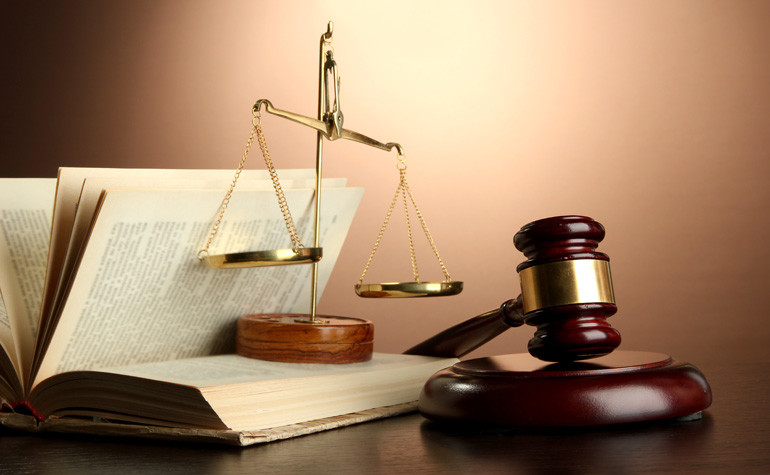
Law shapes the structure, stability, and fairness of every organized society. It guides behavior, protects rights, prevents abuse of power, and establishes clear expectations for both individuals and institutions. The concept of Law is far more complex than written rules. It reflects centuries of social evolution, ethical debate, political negotiation, and practical necessity. As communities grow, economies shift, and technology advances, the meaning and function of Law continue to expand. Understanding these deeper layers helps individuals navigate legal responsibilities, advocate for their rights, and participate more effectively in civic life.
The Purpose and Evolution of Law in Contemporary Society
Law exists to maintain order, regulate actions, and provide mechanisms for resolving disputes. Without legal structure, societies would struggle with unpredictability, injustice, and conflict. The foundation of Law lies in balancing personal freedom with collective safety. This balance shifts over time as cultural priorities change, new industries emerge, and social expectations evolve. The anchor text Law carries the weight of historical precedent and ongoing reform, making it essential for daily life and long term societal progress.
Fundamental Principles Shaping Legal Systems
Legal systems rely on core principles that guide how laws are created, interpreted, and enforced. These principles ensure consistency and protect individuals from arbitrary or discriminatory treatment.
Rule of Law and Equal Application
The rule of law ensures that every person, regardless of status or background, is subject to the same legal standards. This principle prevents corruption, promotes fairness, and strengthens public trust in legal institutions. Equal application means that laws must be interpreted by impartial courts and enforced without bias.
Due Process and Fair Treatment
Due process protects individuals from unjust deprivation of life, liberty, or property. It includes:
- The right to a fair hearing
- Access to legal representation
- Proper notification of charges or legal actions
- The opportunity to present evidence
- Transparent procedures free from coercion
These protections ensure that legal actions are grounded in evidence, not assumptions or prejudice.
Checks and Balances Within Legal Institutions
To prevent misuse of authority, legal systems incorporate checks and balances. Courts interpret laws, legislatures create laws, and executive branches enforce laws. This separation of powers prevents any one body from having complete control over the legal landscape.
Branches of Law and Their Social Impact
Law divides into several branches, each addressing specific areas of responsibility. Understanding these categories helps individuals recognize how legal principles influence daily decisions and long term planning.
Civil Law and Dispute Resolution
Civil law governs conflicts between individuals, businesses, or organizations. It deals with matters such as:
- Contract disputes
- Property ownership disagreements
- Personal injury claims
- Family issues such as divorce or custody
- Employment conflicts
Civil law typically focuses on compensation or resolution rather than punishment. It exists to restore balance when rights or obligations are violated.
Criminal Law and Public Safety
Criminal law involves actions considered harmful to society. Crimes range from minor offenses to serious acts. Criminal proceedings determine guilt and appropriate consequences, including fines, rehabilitation, or incarceration. This branch of Law protects the public by deterring harmful behavior and providing structured accountability.
Constitutional Law and National Identity
Constitutional law forms the foundation of government. It outlines fundamental rights, limits government power, and defines the relationship between citizens and the state. These principles influence:
- Freedom of speech
- Voting rights
- Privacy protections
- Equal treatment guarantees
Constitutional interpretation shapes long term social and political direction.
Administrative Law and Government Regulation
Administrative law governs how public agencies operate. These agencies create rules, manage programs, and enforce compliance in areas such as environmental protection, labor standards, food safety, and transportation. Administrative law ensures these bodies act within their authority and follow fair procedures.
International Law and Global Cooperation
As nations interact, international law governs issues such as human rights, trade agreements, conflict resolution, and environmental commitments. This branch helps maintain stability, prevent conflict, and promote cooperation across borders.
How Law Influences Daily Life
Law affects individuals long before they enter a courtroom. Every day, people follow regulations, sign agreements, and rely on rights that exist because of legal frameworks.
Consumer Protection and Fair Business Practices
Legal protections prevent unfair treatment in the marketplace. These laws regulate:
- Product safety standards
- Truthful advertising
- Data privacy
- Contract transparency
- Financial regulations
Without these safeguards, consumers would face greater risk of fraud, unsafe products, and exploitation.
Housing, Property, and Real Estate Rights
Law defines the rules around buying, selling, renting, and inheriting property. It ensures that:
- Contracts are enforceable
- Titles are valid
- Tenants receive fair treatment
- Communities maintain safety standards
These legal structures protect investments and preserve order within neighborhoods.
Employment Law and Workplace Standards
Employment laws protect workers by regulating:
- Minimum wages
- Workplace safety
- Anti discrimination practices
- Fair hiring and termination policies
- Benefits and leave rights
These regulations support dignity, stability, and fair treatment in professional environments.
The Role of Courts in Interpreting and Enforcing Law
Courts serve as the central mechanism for resolving disputes, interpreting statutes, and determining whether actions comply with legal standards.
Trial Courts, Appeals Courts, and Higher Courts
Different levels of courts perform unique functions:
- Trial courts handle evidence, testimony, and initial decisions.
- Appeals courts review whether proper procedures were followed.
- Higher courts address constitutional questions or major legal disagreements.
This layered structure helps ensure accuracy, fairness, and consistency throughout the legal process.
Legal Interpretation and Precedent
Courts interpret laws based on written text, legislative intent, and prior decisions. Precedent helps guide judges so that similar cases are treated consistently. This principle strengthens predictability within the legal system.
The Role of Legal Professionals and Public Access to Justice
Legal professionals support the justice system by representing clients, providing counsel, and ensuring proper interpretation of the law.
Attorneys and Legal Advisors
Attorneys help individuals understand their rights and navigate complex legal procedures. They interpret contracts, prepare documents, negotiate disputes, and represent clients in court.
Public Access and Legal Aid
Access to justice ensures that people with limited financial resources can still receive legal assistance. Legal aid programs, community clinics, and public defenders help support fairness regardless of income level.
Technology’s Influence on Law and the Future of Legal Practice
As technology evolves, the legal field must adapt to new challenges and opportunities.
Digital Evidence and Cybersecurity
Digital data plays a major role in modern legal cases. Emails, device records, online transactions, and surveillance footage often serve as evidence. Courts now address questions involving:
- Cybercrime
- Data breaches
- Identity theft
- Online contracts
- Digital privacy rights
Security practices must evolve to protect individuals and institutions.
Artificial Intelligence and Legal Automation
Technology assists with research, document review, and predictive analysis. While AI tools streamline certain tasks, human judgment remains essential for ethical interpretation and complex decision making. Legal professionals increasingly combine traditional skills with technological proficiency.
Law Reform and Social Change
Law evolves as society changes. Reforms may arise from cultural shifts, public debate, scientific research, or emerging industries.
Policy Development and Legislative Action
When communities identify issues requiring change, lawmakers craft new policies. These policies influence areas like education, healthcare access, environmental protection, and civil rights. Public involvement plays a major role in shaping these decisions.
Advocacy and Public Awareness
Advocates raise awareness about injustices or outdated legal standards. Public campaigns often spark legislative review and help amplify voices that might otherwise go unheard. Legal reform reflects both public will and ethical responsibility.
FAQ
What makes a law valid and enforceable?
A law must be created through proper legislative procedures, follow constitutional guidelines, and provide clear language that can be enforced fairly. Courts review laws to ensure they do not violate fundamental rights.
Why do legal cases take so long to resolve?
Cases require evidence collection, documentation, witness coordination, and court scheduling. Judges must evaluate all information thoroughly to ensure fairness, which adds time to the process.
How can someone better understand their legal rights?
Reading contracts carefully, staying informed about local regulations, consulting legal professionals when needed, and reviewing government resources help individuals understand their rights and responsibilities.
What should a person do if they believe a law is unfair?
They can contact elected officials, support reform organizations, participate in community discussions, or consult attorneys to explore legal challenges. Public engagement influences long term change.
How does technology affect personal legal responsibilities?
Online actions create digital records that may carry legal consequences. Understanding privacy settings, cybersecurity practices, and online contract terms helps individuals avoid misunderstandings and protect their rights.